The Story of Ardenfell

The night everyone left

A thousand-year empire emptied between dusk and dawn. Three hundred years later, its gates have opened on their own, and every court on the continent wants to be first through them.

1,000
years the Empire of Vanai ruled Ardenfell
300
years since the night the heartland emptied
3
free cities grown up outside the border
1
morning on which all three gates opened

I The premise

The premise

The Empire of Vanai ruled the whole continent of Ardenfell for a thousand years, and then one night it didn’t. There was no war. No plague. No bodies. Between dusk and dawn every citizen of the imperial heartland was gone, with dinner still on the tables and the gates barred from the inside.

Around the emptied interior stood a border no one could cross: a crescent of mountains, and walls closing the gaps the mountains left. Whatever was behind it stayed behind it. Nobody came out. Nobody who tried got in.

The people left outside that night were the ones the empire had kept at arm’s length: a frontier garrison, folk it had never managed to conquer, and an academy saved by a hundred yards of water. Over three centuries they grew into three free cities, and they signed a treaty older than anyone now alive. It said one thing. Nobody goes in.

Dinner still on the tables. The gates barred from the inside.

Now the border is failing. On one morning, the three gates open, one at each city’s doorstep, as neatly as if someone had set a clock. Behind them lie provinces kept like a held breath: orchards still pruned, vaults still locked, furnaces still burning, and everything in them worth a fortune to somebody.

The treaty dies the moment the first door opens. What replaces it is a race.

II The Night

From the watch book of the Landward Gate

The garrison at Caerdun kept a watch book for a thousand years. This is the entry for the last night anyone inside the border was seen. The ink is three hundred years old; the handwriting gets worse toward the bottom.


The gate did not open. Caerdun still has the book, and three hundred years of wages owed, and the ledgers to prove it.

The watch book · Landward Gate

Fourth watch. Entered by lamplight.

Past midnight and every window in the valley is still lit. Not a few. Every one, down to the shepherds’ huts on the far slope. I have stood this wall nine years and never seen the heartland awake at this hour.

Music from the road-houses, then none. Bells, then none. Torvin says he saw a family on the high road in their good clothes, as if for a festival nobody told us about. I have told him to stop saying so.

Every flame on the wall leaned the same way at once, and there was no wind. Mine as well. I have written it down because I will not believe it in the morning.

Toward dawn the lights went out together, like a house going to bed.

At first light I knocked at the inner gate to report. It is barred from the other side. No one answers. We have been knocking for an hour.

N.B. The paymaster is inside. Wages for this watch to be collected when the gate opens.

Sergeant of the watch, Fourth Company, Border Garrison
III The Three Cities

Three cities, three claims

There is no neutral fourth town. Each city has its own claim on the interior, its own court, and two job guilds. The auction house trades in all three, which is the only thing keeping the courts’ tax race honest.

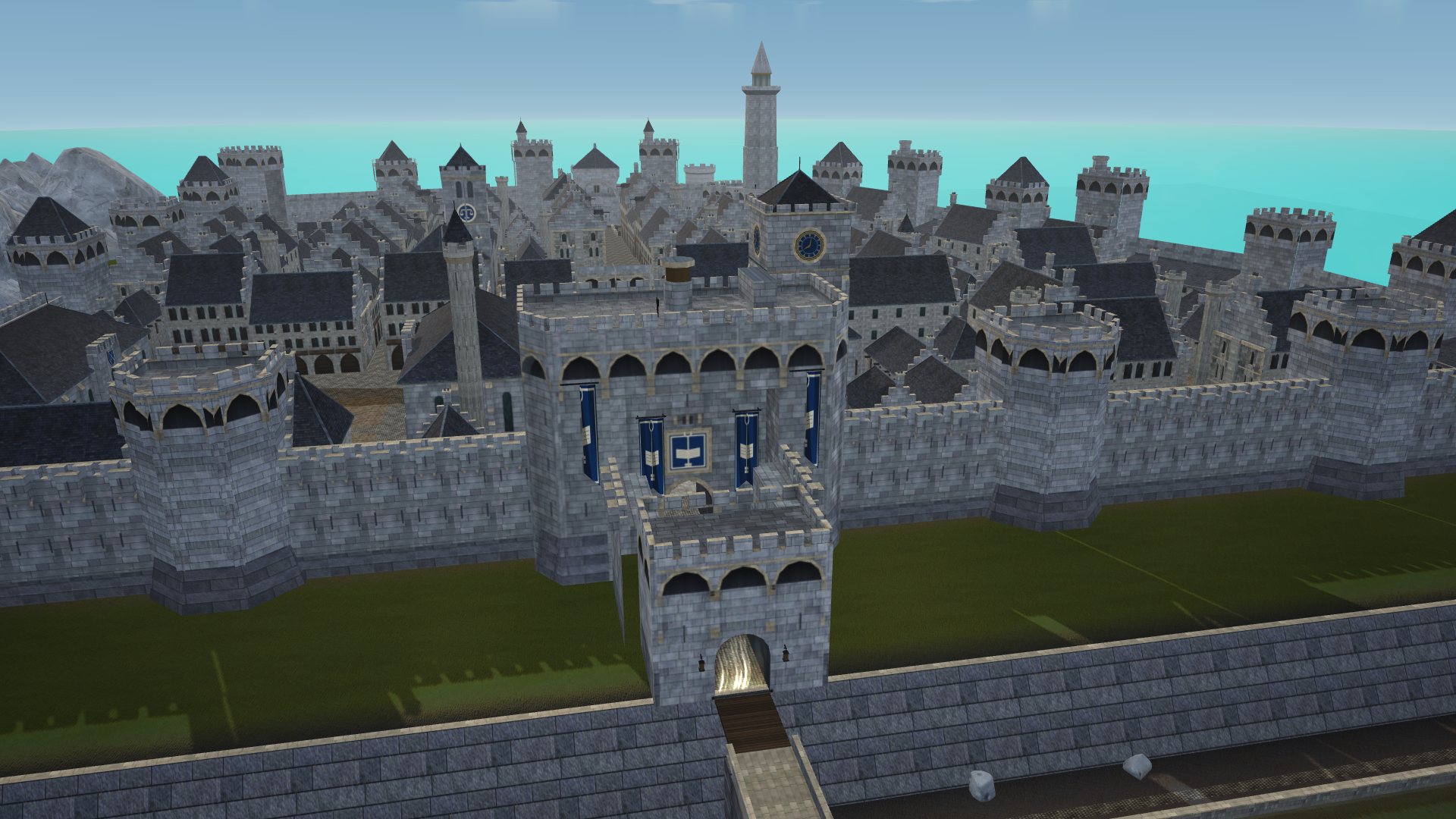
The garrison city of Caerdun, its lighthouse and walls over the sea.

Northwest, on the fjord

Caerdun

Claim Service

Built by the border garrison locked outside on the night. Three centuries of unpaid wages, and the ledgers to prove it.

TemperamentContracts and precedent. Its court honours terms to the letter, and expects you to.

Guilds
“The Empire owes this city three hundred years of back pay. We intend to collect.”
Visit Caerdun
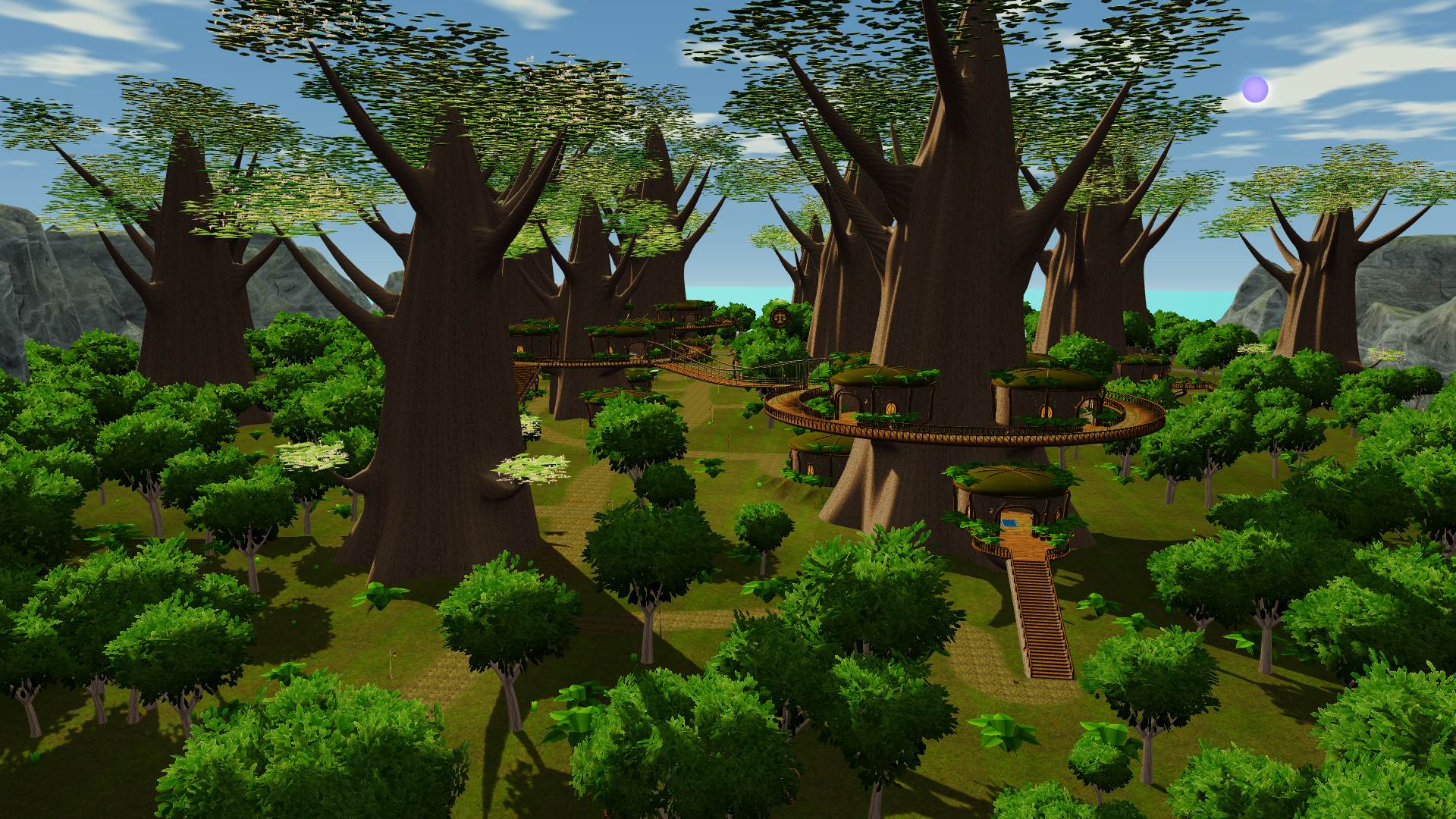
Heartwood's homes and bridges among the trees.

East, on the bay

Heartwood

Claim Grievance

The never-conquered, and the families whose groves the empire took. Heartwood holds the writs, the deeds, and a receipt for every tree.

TemperamentGrievance with receipts. Its court pays best for whatever the empire took.

Guilds
  • Monkthe battle-chanters, keepers of the banned songs
  • Dark Knightthe grudge-keepers
“We are not angry. We are itemised.”
Visit Heartwood
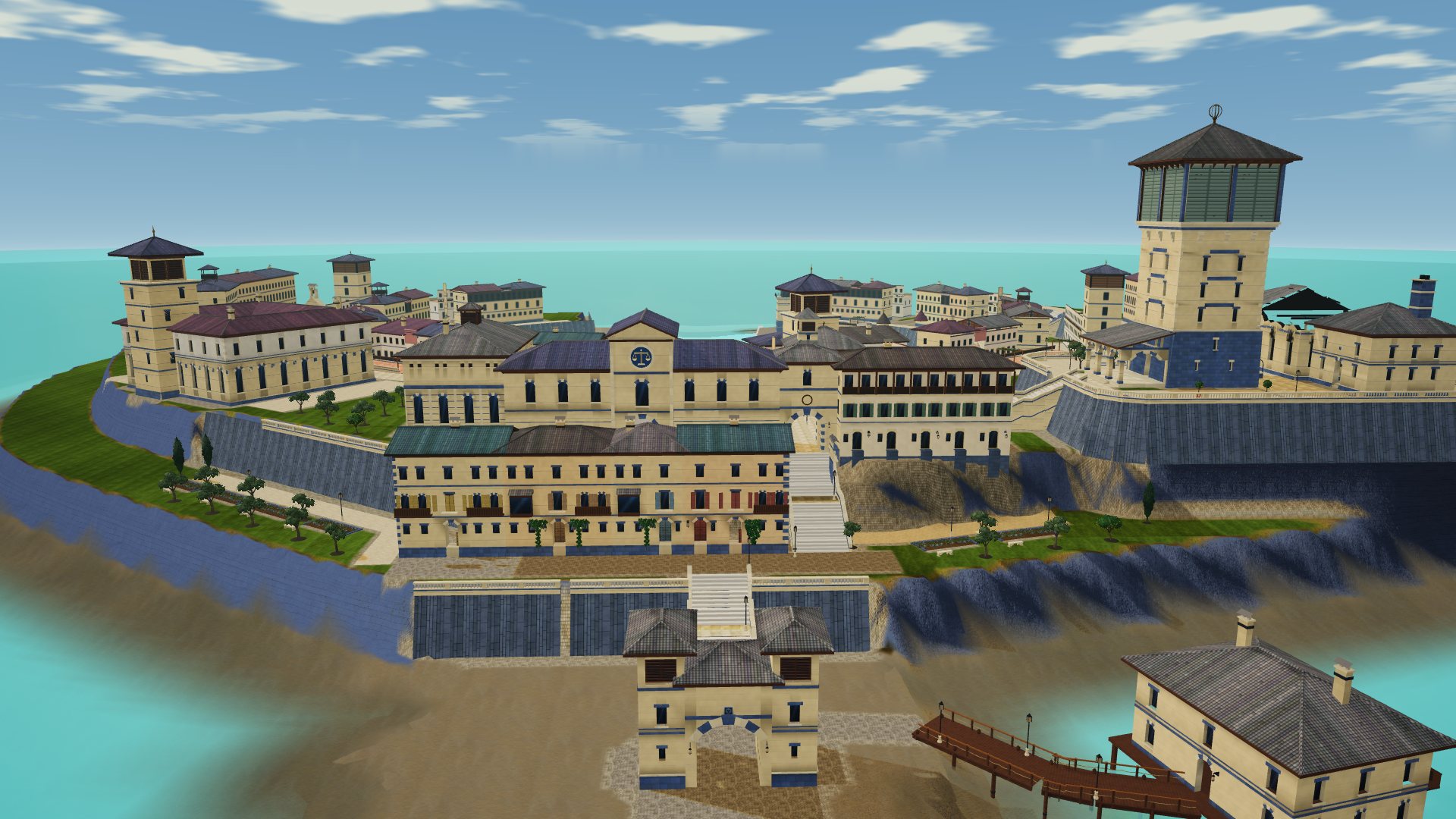
The island city of Moonmere and its harbour.

South, an island in the sea, on its causeway

Moonmere

Claim Inheritance

The imperial academy in exile, saved by a hundred yards of water. The only people left who can read the interior’s records.

TemperamentPrecise, evasive, footnoted. The court with a secret, and very good manners about it.

Guilds
“An excellent question. Please see the footnote. The footnote is in another building.”
Visit Moonmere

IV The Courts

Patrons who remember your name

Each city is governed, as far as you are concerned, by its court: a patron run by an AI that sits in council, sets the market tax, posts bounties, writes you letters, and keeps a ledger of everyone who has worked in its name.

The courts compete for claims on the interior provinces. Not by war, but by work: the charters they hand out, the relics their explorers bring home, and the provinces those charters open up. They meet in council at the same moment and none of them sees the others’ moves until the turn is over.

They remember. Serve one well and the offers improve. Sell its rival a relic it wanted and you will hear about it, politely, in writing.

Taxes
Each court sets its city’s market cut, and raises or lowers it to win your trade.
Bounties
Posted on whatever is troubling a province this week.
Awards
Purses of gold for the explorers who earned them, sent by letter.
Offers
Gold to swear to a different court, should you care to change sides.
War-chests
Treasury set aside to push one province’s claim.
Proclamations
Posted on the board in the court’s hall. Occasionally about you.

The Court of Caerdun

To the holder of charter four hundred and six

The court acknowledges your return from the Hunting Wood with three relics, and notes that you sold two of them at auction in Heartwood before breakfast.

The court does not object to commerce. The court objects to arithmetic. Registered here, all three would have been paid for from the treasury, and the court’s claim on the Hunting Wood would stand the higher for it.

The registry desk does not close. Neither does the court’s memory.

Clerk to the Court, by its instruction

V The Sentinels

The caretakers never stopped

You are trespassing. This notice is the four hundred and eleventh I have issued… please.

A sentinel of the King’s Gardens, to a visitor without an appointment

The caretakers never stopped

The empire left its caretakers behind. For three centuries the sentinels have trimmed the hedges, swept the halls, wound the clocks and kept the law of a country that isn’t there. They are polite. They are patient. They will ask whether you have an appointment.

Most of the time, that is all. Push one past politeness and you will find out why nobody ever argued with the empire.

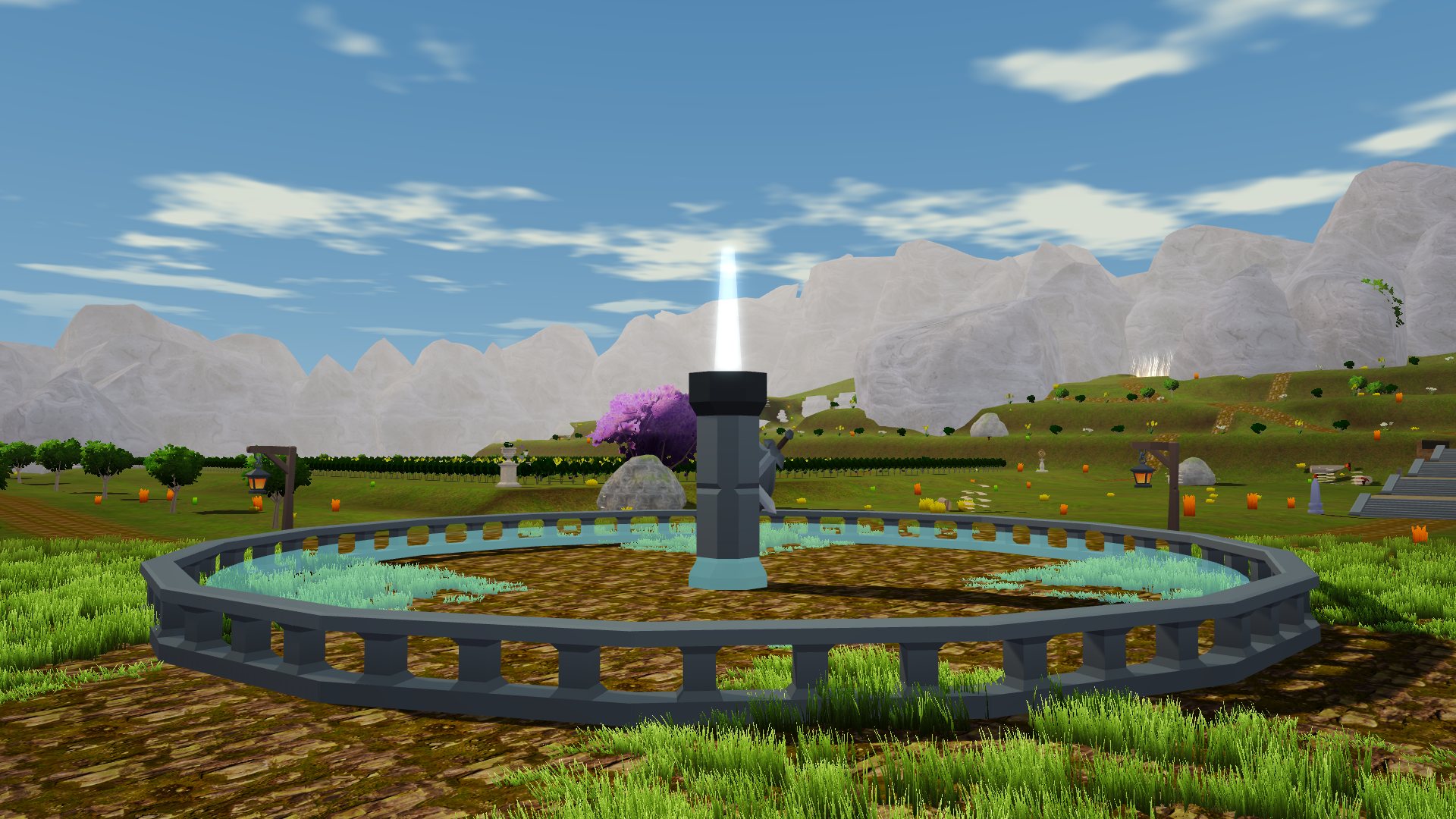
A great fountain in the King's Gardens.
The tone, in one pictureA party eating lunch on the steps of an abandoned palace, arguing about which court pays better this week, while a three-hundred-year-old groundskeeper trims the hedge and asks if they have an appointment.

What else you will meet

  • BeastsThe empire’s stock gone feral, and the looters among them: jackdaws, diggers, rummagers, vultures, anything that carries things off.
  • SentinelsCaretakers pushed past politeness, still enforcing a law nobody else remembers.
  • The hollowedHusks and shades that keep to the empty houses.
  • FreebootersThe unchartered. People, not monsters: they trade at the camps and argue with the courts, and are never fought.

VI Relics & Charters

Plain words

Ardenfell has no invented vocabulary to learn. Everything is called what it is. These are the words you will hear most.

Words used in Ardenfell and what they mean
WordMeans
the Empirethe vanished civilization. Its name was Vanai, and the game’s title is the mystery.
the borderthe seal around the heartland, now failing gate by gate.
a provinceone region of the interior, each a former imperial industry or estate.
a chartera license from a court to explore, dig, and fight in its name.
a claima court’s stake in a province, earned by its explorers’ work.
a relicanything recovered from the interior. Sell it, or register it with a court.
a sentinelone of the empire’s left-behind caretakers, still enforcing the law of a country that isn’t here.

Provinces are named for what they were: the King’s Gardens, the Glassworks, the Granary Plains.

VII Random Events

The interior misbehaves

Not everything in Ardenfell will be a place. Random events are coming: happenings that drop into the world unscheduled, anywhere, and do not wait for you to finish your errand. The kind of thing to expect:

  1. A clock-vault swings open for one day only.
  2. A sentinel patrol marches off its route, and nobody knows where it is going.
  3. A furnace in the Glassworks runs hot, and everything nearby is suddenly worth melting.
  4. A floor gives way into a cellar no survey ever charted.

Whoever answers first, or sees it through, will be written into the permanent record, and when an event changes the world, the finder’s name will go on the map. The courts will post bounties on them; they will not run them.

VIII The Main Story

Three doors, one dawn

One story from level 1 to 50. It begins in three different places, and that is all we will tell you.

  1. Lv 1–15

    Three city stories

    Each city starts its own story, and they are genuinely different: Caerdun’s wage book, Heartwood’s song with no ending, Moonmere’s room that isn’t there. Pick a city and you pick a door.

  2. Lv 16

    The halfway inn

    Three envoys, three testimonies, one lit window in a hundred white miles of the North Road. The courts countersign your letters of passage.

  3. Dawn

    The gates open

    You are standing at yours when it happens.

After that, the race. The rest is yours to find.

Open the world map

Ardenfell

Level equals depth

Each city opens onto its own fields, and two long roads join them. Past each city’s border gate lies its doorstep province, the most beautiful thing you will have seen so far. Beyond the doorsteps, the middle provinces; beyond those, the Burned Land, a fire line exactly as ragged as the night left it. And at the centre, behind walls that did not burn, the Capital of Vanai. The whole city is the final dungeon.


The gates are open

Vanai is free, runs in your browser, and has no download. Pick a city.

CaerdunHeartwoodMoonmere